

Best Natural Pet Ear Cleaners
🏆 Top Picks at a Glance
 #1
#1
Best Overall
Pet MD - Dog Ear Cleaner Wipes - Otic Cleanser for Dogs to Stop Ear Itching, and Infections with Aloe and Eucalyptus - 100 Count
$14.99
Check Price →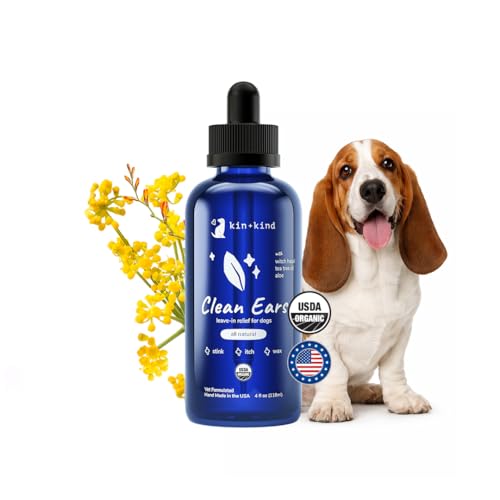 #2
#2
Runner Up
kin+kind Clean Ears - Natural Leave-in Dog Ear Cleanser - Certified USDA Organic - Fragrance Free - 4 fl oz
$11.99
Check Price → #3
#3
Best Value
Veterinary Formula Clinical Care Ear Therapy, 8 oz. – Cat and Dog Ear Cleaner – Helps Soothe Itchiness and Clean The Ear Canal of Debris and Buildup
$11.94
Check Price →Our Top Picks
Affiliate disclosure: if you buy through these links, we may earn a commission at no extra cost to you.
Factors to Consider
Ingredient Safety and Transparency
⚡ Quick Answer
Choose formulas with a short, clearly labeled ingredient list and gentle cleansing agents. Avoid high-alcohol formulas, artificial fragrances, and essential oils that can irritate sensitive ear skin. Transparent labeling helps you avoid allergens and ensures age-appropriate use. Pet parent tip: Start with a small dab on the outer ear and watch for 24 hours for any redness or itch before using it routinely.
Table of Contents
pH-Balanced Formulations and Gentle Cleansing Agents
A pH-balanced formula helps protect the delicate skin of the ear canal while cleansing away wax and debris. Favor products that omit strong alcohol, peroxide, and artificial fragrances, which can sting or dry the lining. Look for soothing additives like aloe, glycerin, or chamomile that support comfort after cleaning. Pet parent tip: Keep sessions calm and brief, use a soft voice, and reward your pup with a treat to reinforce a positive routine.
Application Method and Packaging for Less Mess
Consider how the product is dispensed—dropper, spray, foam, or pre-soaked wipes—and choose what matches your dog’s temperament and your travel needs. A controlled nozzle or dropper helps you apply the right amount without over-wetting the canal. Clear directions on how many drops and how to dry the outside of the ear make routines predictable for anxious pups. Pet parent tip: Practice a few dry runs (no product) to build trust and minimize head shaking during real cleanings.
Life-Stage and Use-Case Fit
For dogs that swim a lot, have long ears, or live in humid climates, look for formulas designed to reduce moisture and odor without harsh buffers. If your dog has chronic ear problems, talk with your vet about a routine that combines cleaning with any prescribed treatments. Remember: natural cleaners support ongoing care, but they do not replace veterinary diagnosis or prescribed meds when needed. Pet parent tip: Set a simple weekly ear-check and cleaning routine, and monitor for red, foul odor, or discharge; early action helps prevent bigger issues.
Frequently Asked Questions
How often should I clean my dog's ears with a natural cleaner?
Frequency depends on your dog's ears and lifestyle. Dogs with floppy ears, moisture after swims, or seasonal allergies may benefit from more regular checks and cleaning, while healthy ears can be cleaned as part of a monthly routine or after baths. If you notice redness, odor, or discharge, reduce frequency and consult your vet. Ground: Regular ear checks and keeping ears dry after swimming are supported by veterinary guidelines to help prevent otitis externa.
Are natural ear cleaners safe for puppies and seniors?
Most products labeled for all life stages are safe when used as directed, but always follow age guidance on the label and check with your veterinarian for very young or medically fragile pets. For puppies and seniors, choose a gentle, fragrance-free formula and monitor for any irritation after use. If in doubt, ask your vet which option is best for your pet's age and health status.
Can I use a natural ear cleaner if my dog has an ear infection?
Cleaning can help remove wax and debris, but an active infection usually requires veterinary diagnosis and possibly prescription treatment. Avoid deep cleaning or introducing new products if there is significant discharge, pain, or unbearable odor; seek veterinary care promptly. After your vet confirms a treatment plan, you can continue with a gentle cleaner to support healing as advised.
What ingredients should I look for, and what should I avoid?
Look for gentle surfactants and soothing extras like aloe or glycerin; avoid high alcohol content, peroxide, strong fragrances, and essential oils that can irritate delicate ears. Chlorhexidine- or acid-based formulas can be helpful when recommended by a vet, but use them only as directed. Always check for age guidance and patch-test on the outer ear before full use.
How do I apply ear cleaner safely?
Follow the product directions for the correct amount and application method; tilt the head, gently pull the ear flap, apply near the opening, and massage at the base to help loosen debris. Let your dog shake, then wipe the outer ear with a clean cloth or pad—never insert cotton swabs into the canal. End the session on a calm note with a treat to reinforce a positive experience.
Can natural cleaners replace antibiotics or antifungals prescribed by a vet?
No—prescription medications are essential for confirmed infections. Natural cleaners are best used as a supportive part of ongoing care and after veterinary treatment to maintain ear health. If symptoms persist, worsen, or recur, return to your veterinarian for a re-check.
How will I know if the ears are improving after cleaning?
Look for less itching, head shaking, and fewer odors or discharge, typically within a few days of starting a routine. If redness, swelling, or discharge persists beyond a few days or worsens, or if your pet seems in pain, contact your veterinarian promptly. Regular monitoring helps catch issues early and keeps ears comfortable.


