Published August 07, 2026 • Pet Health Authority
• Pet Anxiety Solutions
essential oilsstorm anxiety reliefpet diffusers
⚠️ Affiliate Disclosure: This post contains affiliate links. If you purchase through our links, we may earn a small commission at no extra cost to you. Full disclosure here.
When the sky turns gray and the thunder rolls in, your furry family member isn’t just hearing noise—they are feeling a profound shift in their environment. Research suggests that nearly 30% of dogs exhibit signs of storm anxiety, from trembling and hiding to destructive pacing, making this a shared challenge for many pet parents. As a holistic veterinarian, I often see how the right natural support can make the difference between a terrified pet and a peaceful companion during a storm. In this roundup, I have curated five calming solutions ranging from essential oil sprays to vet-formulated chews, focusing on safety, transparency, and gentle efficacy to help your home remain a sanctuary, no matter the weather.
⚡ Quick Answer: Best Aromatherapy To Calm Pet Storm Anxiety Naturally
Look for products with transparent ingredient lists, such as Warren London’s blend of lavender and vetiver, which offers a natural aromatic approach without synthetic fragrances.
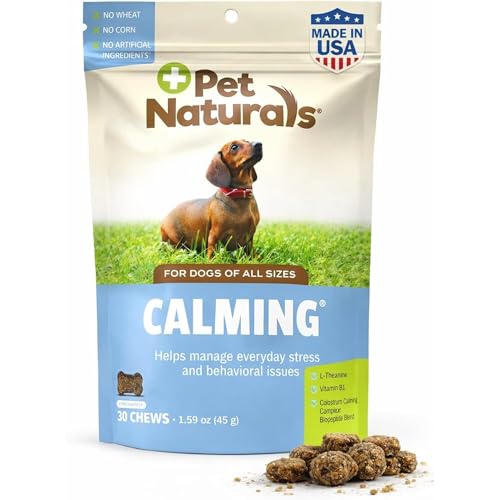
For pets who are sensitive to smells or prefer oral supplements, consider chewable options like Pet Naturals or Nutri-Vet, which use tryptophan and chamomile to support calm from the inside out.
Travel-friendly sprays, like Alfie’s Choice, are ideal for car rides and vet visits, providing a portable way to create a soothing environment on the go.
HomeoPet’s liquid formula offers a gentle, drop-based approach that is easy to administer to even the most resistant cats and dogs, making it a versatile choice for multi-pet households.
Always introduce new calming products gradually and consult your veterinarian to ensure they complement your pet’s overall health plan, especially for senior pets or those with existing conditions.
Our Top Picks
Affiliate disclosure: if you buy through these links, we may earn a commission at no extra cost to you.
Not all essential oils are created equal when it comes to our four-legged friends. Cats, in particular, lack a specific liver enzyme required to metabolize certain compounds like phenols and ketones, making oils such as tea tree, peppermint, and eucalyptus potentially toxic. Always look for blends explicitly labeled as safe for pets, and steer clear of "fragrance oils" which are synthetic and can irritate your pet's respiratory system.
Check for Professional Formulation
Aromatherapy for pets should ideally be formulated by or under the guidance of a holistic veterinarian or certified animal aromatherapist. These professionals understand the nuances of species-specific physiology and can create balanced recipes that are both effective and safe. Products with professional backing often undergo stricter quality control, ensuring you aren't guessing about the safety of the ingredients in your home.
Prioritize High-Quality, Pure Oils
The potency and purity of the essential oils used in a calming blend are paramount. Look for products that list the botanical name of the plant and the country of origin, indicating transparency and quality. Pure, therapeutic-grade oils are less likely to contain synthetic fillers or allergens that could trigger an adverse reaction in sensitive pets, providing a cleaner calming experience.
Consider the Delivery Method
The method of diffusion matters just as much as the oil itself. For anxious pets, a cool-mist ultrasonic diffuser is often preferred over heat-based methods, as it preserves the integrity of the oil and creates a gentle, non-intrusive scent. Additionally, consider whether a spray or rollerball might be better for travel or direct application on a calming collar, offering more targeted relief during specific triggers like thunderstorms.
Start with Low Concentrations
Pets have a sense of smell up to 100,000 times more acute than humans, so what smells mild to us can be overwhelming for them. Always start with a very low concentration of essential oils and observe your pet's behavior closely. If you notice any signs of distress, such as excessive panting, drooling, or trying to leave the room, discontinue use immediately and ventilate the area.
Frequently Asked Questions
Can I use the same essential oils on my cat and dog?
While there is some overlap, cats and dogs have different metabolic capabilities, so oils safe for one may not be safe for the other. For instance, citrus oils can be particularly harsh on cats, while dogs may tolerate them better in low doses. Always check the specific safety profile for your pet's species before using any new product.
How long does it take for aromatherapy to calm a pet?
The effects of aromatherapy can vary, but many pet parents notice a calming effect within 15 to 30 minutes of diffusion. It is not an instant fix but rather a supportive tool that works best when used consistently before anxious events. Patience and consistency are key, as pets may need time to associate the scent with a sense of safety.
Is it safe to use essential oils around puppies or kittens?
Puppies and kittens have developing immune and respiratory systems, making them more vulnerable to essential oils. It is generally recommended to wait until they are at least 10 weeks old before introducing any aromatherapy, and even then, to use extremely diluted concentrations. Always consult with your veterinarian before starting any new wellness routine for young pets.
What is the best essential oil for storm anxiety in dogs?
Lavender and vetiver are often cited as effective calming oils for dogs during thunderstorms due to their soothing properties. Research suggests that lavender can help reduce heart rate and promote relaxation in anxious dogs. However, individual preferences vary, so it is best to introduce one oil at a time to see how your dog responds.
Can I put essential oils directly on my pet's fur?
Direct application should be done with caution and only using oils specifically formulated for pets. Essential oils must always be diluted in a carrier oil, such as fractionated coconut oil, to prevent skin irritation. Never apply undiluted essential oils directly to your pet's skin, as this can cause burning or allergic reactions.
How often should I diffuse essential oils for my pet?
Intermittent diffusion is recommended rather than continuous use throughout the day. Diffusing for 30 to 60 minutes at a time allows your pet to benefit from the aroma without becoming overexposed. This also gives their respiratory system a break, ensuring they are not constantly overwhelmed by the scent.
What are the signs that an essential oil is bothering my pet?
Watch for signs of respiratory distress, such as coughing, sneezing, or wheezing, as well as behavioral changes like hiding or agitation. Physical signs can include drooling, vomiting, or lethargy. If you notice any of these symptoms, turn off the diffuser, open windows for ventilation, and contact your veterinarian if symptoms persist.
Conclusion
Aromatherapy can be a gentle, effective addition to your toolkit for managing pet storm anxiety, offering a natural way to create a calming environment. While it is not a replacement for veterinary care, it can complement other strategies to help your pet feel safer during stressful times. Choose high-quality, pet-safe products and introduce them gradually to find the right solution for your unique furry family member.
Last updated:
About the Author: Dr. Renee Parker — Dr. Renee is a veterinary nutritionist with 14 years in animal health and pet wellness. She evaluates pet supplements and care products for ingredient quality, safety standards, and evidence-based effectiveness — so your pets get only the best.
🛒 Relevant Products for This Topic
Affiliate disclosure: if you buy through these links, we may earn a commission at no extra cost to you.